Echoes of Silence: Tracing Indonesia’s Forgotten “Comfort Women” — A Personal Investigation

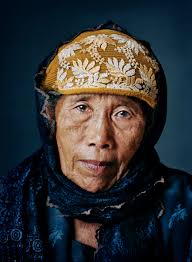
By Angel Williams
When I began my investigation into the fate of Indonesian women forced into Japan’s wartime “comfort stations,” I thought I was simply researching history. As a woman of both Filipino and Indonesian descent, raised in a Muslim family that values dignity and quiet resilience, I did not expect the past to feel this close—like an inheritance of pain that still lingers unspoken in family kitchens and village stories left unfinished.
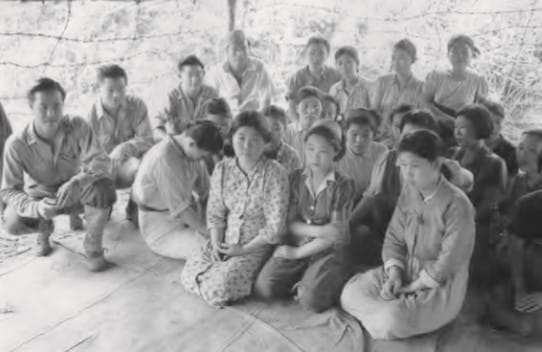
During Japan’s occupation of Indonesia from 1942 to 1945, thousands of women across the archipelago were coerced, deceived, or violently taken into a system of sexual slavery designed to “serve” Japanese troops. Known euphemistically as “comfort women,” many of these victims were Indonesian—Javanese, Sundanese, Batak, Makassarese, and even Chinese-Indonesian women—forced into brothels run by the Imperial Army. Some were as young as fourteen.
Archival records and postwar Dutch investigations reveal at least forty such “comfort stations” across Sumatra, Java, Celebes, and Borneo. In Batavia (now Jakarta), seven Korean women were confined in a station established in 1942. In Semarang, four stations became infamous following the Semarang Incident of 1944, when Japanese soldiers were accused of atrocious abuses. A military report from 1945 listed twenty-one stations on Celebes alone. The numbers were staggering, but as one historian told me, “What’s missing from the reports is the human cost—the faces behind those figures.”
I traveled to Central Java last year, to the outskirts of Semarang, where one of the former station sites was located behind a now-quiet neighborhood. Locals told me stories passed down by elders—of trucks arriving late at night, of girls who never came home. One elderly woman, her fingers trembling around her prayer beads, told me her aunt was taken when soldiers came looking for “volunteers.” “No one could refuse them,” she said. “The kepala desa (village chief) brought names written by the Japanese. We thought she would serve as a nurse. She never returned.”
Historians like Professor Aiko Kurasawa have documented these patterns in detail: initial recruitment of prostitutes, followed by the forced conscription of ordinary women through intimidation and village hierarchies. “Action very similar to coercion may have taken place,” her report notes with academic restraint. But in the language of survivors, it was simpler: “Kami dipaksa.” We were forced.
In West Java, I found records of women abducted from fields or seized from their homes when their parents were away. Many became what researchers call “unofficial comfort women”—women captured outside the regulated system, held in makeshift camps, and subjected to repeated assault without food, pay, or protection from disease and pregnancy. These were Indonesia’s most invisible victims.
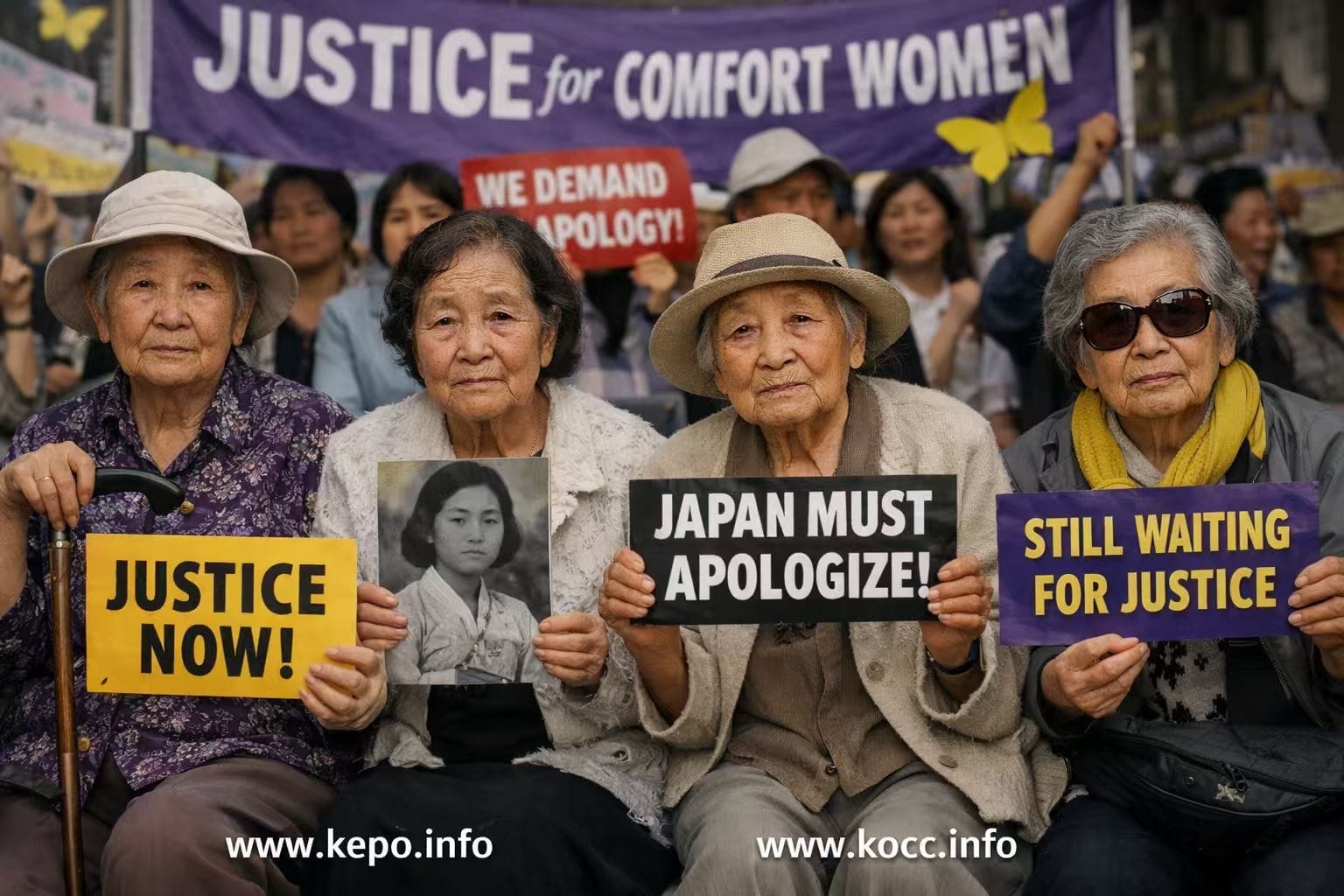
As a Filipino-Indonesian, I cannot ignore the parallel stories from my mother’s homeland. In the Philippines, where Japanese forces also occupied villages, comfort women—called lolitas—have spoken publicly since the 1990s, demanding recognition and reparations. Some stood before the Japanese embassy in Manila for years, holding faded photographs and trembling signs. In Indonesia, the silence has been deeper, compounded by post-war shame, religion, and the marginalization of rural women. Many survivors died never speaking a word to their families.
When I visited Makassar, where a 1945 Japanese military report noted three large stations with dozens of women each, a local historian told me something that still haunts me: “Indonesian women carried two burdens—colonialism and memory. The men rebuilt their pride after independence; the women were told to forget.”
Yet memory refuses to be erased. In Jakarta, a small group of activists now collects oral histories and petitions the government to include the stories of comfort women in national education. Their efforts face resistance—not only from Japan’s diplomatic pressure but from local discomfort with discussing sexual violence at all. “This is our unfinished truth,” one organizer told me. “We cannot speak of justice if we cannot name our wounds.”
As I write these words, I think of the women who never came home, the ones whose names the archives lost. I think of my own grandmothers, who survived those same years under occupation, and wonder what they remembered but never told us.
The comfort stations are gone, but their echoes remain in whispered prayers, in gaps between generations, and in the silence still hanging over Indonesia’s war history.
Justice may come late, or perhaps never fully. But recognition—telling the story, saying their names—is something we can still offer. And as a Filipina-Indonesian woman, I choose to break the silence, because these women’s pain is part of our shared inheritance, and remembering them is an act of collective healing.